

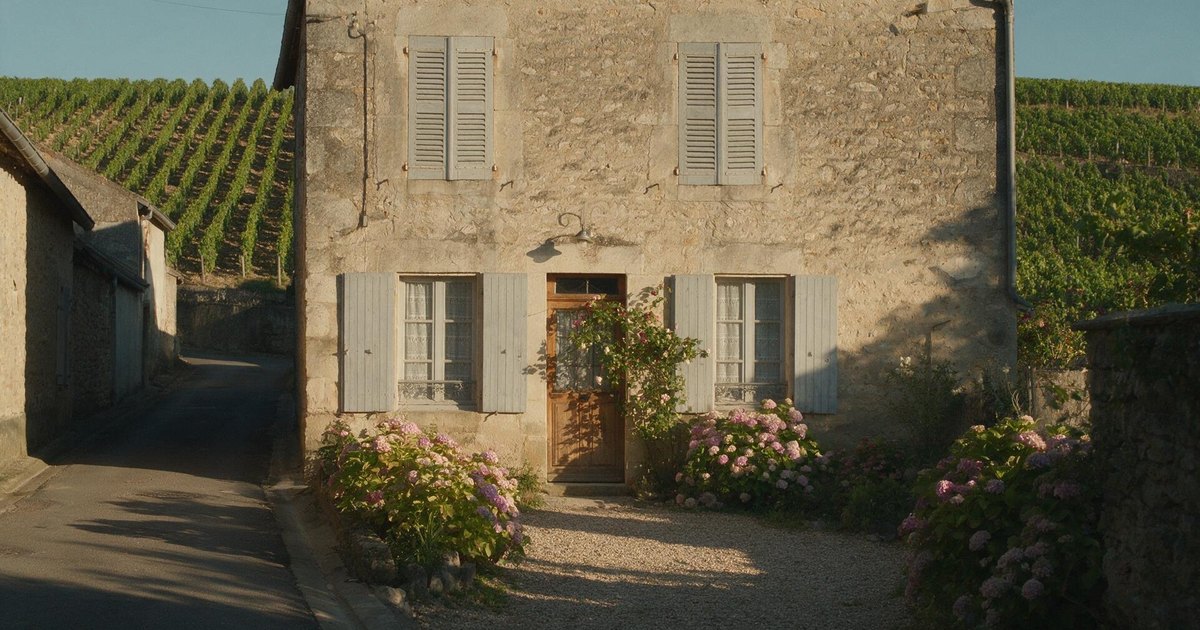
Buying an existing bed and breakfast is many a corporate employee’s dream. A lovely property, guests already coming, reviews already glowing, and a business you can simply step into. I’ve helped plenty of people make that step since 2014, and I’ve watched a few make it badly, so this is the checklist I’d want you to have before you sign anything.
It’s in two parts: the questions to ask about yourself and the owners, which matter more than most buyers realise, and then the practical things to check at the property. I won’t cover the paperwork side here; rules vary depending on where you are.
The “turnkey” myth
It’s very easy to find what estate agents call a turnkey business: an established B&B, running well and busy, that you can supposedly drop into and watch roll on by itself. Here’s the truth. The energy of the existing owners is what got the thing rolling in the first place. Their passion, their expertise and the way they relate to their guests are what the guests come back for. When they leave, that walks out of the door with them, and if you want to take over a business like that, you’ll have to bring your own.
So before you look at a single property, do three things.
Step 1: Take an inventory of yourself
What are your passions, your skills, your knowledge? What do you love to talk about and learn about? This takes a bit of introspection, but I promise it’s worth it. The B&B that will work for you is the one where your guests are interested in the same things you are. When I finally understood that my guests were international visitors who wanted the hidden gems of Champagne, and that an Englishwoman in France was never going to be much use to French travellers, my whole business changed.
Step 2: Match the location to you
Location matters, but it isn’t the only factor. The real question is whether the people who visit that area care about what you care about. If you love mountaineering and the great outdoors, don’t buy a property near the beach. If you’re vegetarian, don’t buy somewhere meat is the staple. Otherwise you’ll find yourself welcoming guests you can’t really relate to, and that makes for an empty experience for everyone. I wrote more about this in Why it’s easier to start a bed and breakfast when it’s about YOU.
Step 3: Be ready to put your passions to work
The business you buy is a starting point, not a finished article. You’ll need to differentiate yourself from everyone else in the area, offer an experience based on what you love, and yes, charge more for it. Buyers who skip this step tend to end up listing with every online travel agent going, just to fill the rooms at any price, and slowly become disillusioned.
Ask why they’re selling
Owners rarely tell you the whole story, but the answer matters. In my experience there are four stages to running a B&B. Stage one is the honeymoon, when everything is new and exciting. Stage two is “still loving it, but it’s not so easy any more”. Stage three is what I call the wilderness: the owners are still doing all the cleaning and laundry themselves, more than half their guests come through the booking sites, the cancellations are up and the thought of a bad review keeps them awake at night. That is very often the point at which people decide to sell.
None of that means you shouldn’t buy. It means you should know which stage you’re buying into, because if the owners are in the wilderness, you’ll be inheriting their business model along with their furniture. You’d be buying the property and the reputation, and building the business properly yourself. That can be a very good deal, as long as you go in with your eyes open. If you want to recognise the stages for yourself, here are all four.
What to check at the property
The guests
An established B&B is easier than starting from scratch because you’ll have clientele from day one, and if you need cash flowing quickly, that counts for a lot. But it’s probably not the right clientele yet. Ask who the guests are, where they come from, what they come for, and how many come back. Then ask yourself honestly whether those are people you’d enjoy welcoming. If not, you’ll be changing the guest list over your first couple of years, and your plan should allow for that.
The numbers
Ask for the occupancy rates and what the B&B has taken, room by room if they have it, for the last three years. Many smaller B&B owners don’t keep good records, and that alone tells you something. Then check what share of those bookings came through Booking dot com, Airbnb and the other online travel agents. The sites take between 15% and 30% of every booking, and if more than about 30% of the business comes through them, the sites have the power in that business, not the owner. The rate the owners have been charging is a clue too: a low rate with high occupancy often means the owners have been discounting to fill rooms, and there’s headroom for you.
To see what the property could make under your own rates and occupancy, rather than theirs, put the figures into my free B&B Income Calculator. It’s a free spreadsheet that I’ll email straight to you, and it’s exactly what I’d do on the train home from the viewing.
The beds, the furniture and the hot water
Good beds are essential, because this is where the majority of your income will come from. Lie on every one. Sit on every chair and sofa, because uncomfortable furniture won’t do you any favours with your guests. Then check the plumbing: when the B&B is fully occupied, can the hot water system cope with everyone showering at the same time? Guests forgive a great deal, but not a cold shower.
The website and the booking system
If the B&B doesn’t have a website, you can be sure there isn’t really a viable business there, so what are you buying apart from the property and the furnishings? Look for a website that speaks to the guests you want, an online booking system that takes deposits, and a payment processor behind it. Without those, every would-be guest has to phone or email and wait for a reply, and most people today want to book instantly. If none of that exists, it’s not a deal-breaker, but it goes on your list of things to build in the first 90 days. My post on the purpose of your B&B website explains what a good one does.
The guest database and the social media
This is the asset most buyers never ask about. Does the business own a list of its past guests, with their email addresses, and does it stay in touch with them? A B&B that does is worth far more to you than one that doesn’t, because those people are your first season’s bookings. Look at the social media presence in the same light: owners who aren’t using it to build relationships with potential guests are much less likely to be running a viable business, and a page that goes quiet the day they leave is no asset at all.
A simple way to decide
When you’ve done all that, ask yourself one question: if this property had no guests at all tomorrow, would I still want to run a B&B here, for the guests I’ve described, at the rate I believe it’s worth? If the answer is yes, you’re buying the right B&B and the existing business is a bonus. If the answer is no, you’re buying someone else’s dream, and that is the trap I see too many first-time owners fall into.
Where to go next
My book, How to Start, Run and Grow a B&B Business that You and Your Guests Love, takes you through the whole process of designing a B&B around you and your ideal guests, and it comes with its own built-in AI assistant so you can ask it about the property you’re looking at. And if you’ve found a B&B and want a second opinion before you commit, book a free 15-minute call with me. I’d much rather help you evaluate it now than help you rescue it later.
Frequently asked questions
Is it better to buy an existing B&B or start from scratch?
Buying an established B&B gets you guests and cash flow sooner, but probably not the right guests yet. Starting from scratch gives you a clean sheet but a slower start. Either way, the business that works is the one designed around you and the guests you can best serve.
What numbers should I ask for when buying a bed and breakfast?
Three years of occupancy and takings, ideally by room, plus the share of bookings that came through the online travel agents and the rates the owners have been charging. Then run your own figures through my free B&B Income Calculator.
Why are so many B&Bs for sale?
Very often the owners have reached what I call the wilderness stage: doing everything themselves, relying on the booking sites for more than half their guests and worn out. That is a business model problem, not a property problem, and it can be fixed by a new owner with a better model.
Do I need hospitality experience to buy a B&B?
No. Katia and her husband Jon left corporate jobs and bought a run-down guest house in Scotland with no hospitality experience at all, and by the end of her first season Katia had made just over £100,000. What you need is clarity about who you serve, the willingness to learn marketing, and help with the cleaning and laundry from day one.