

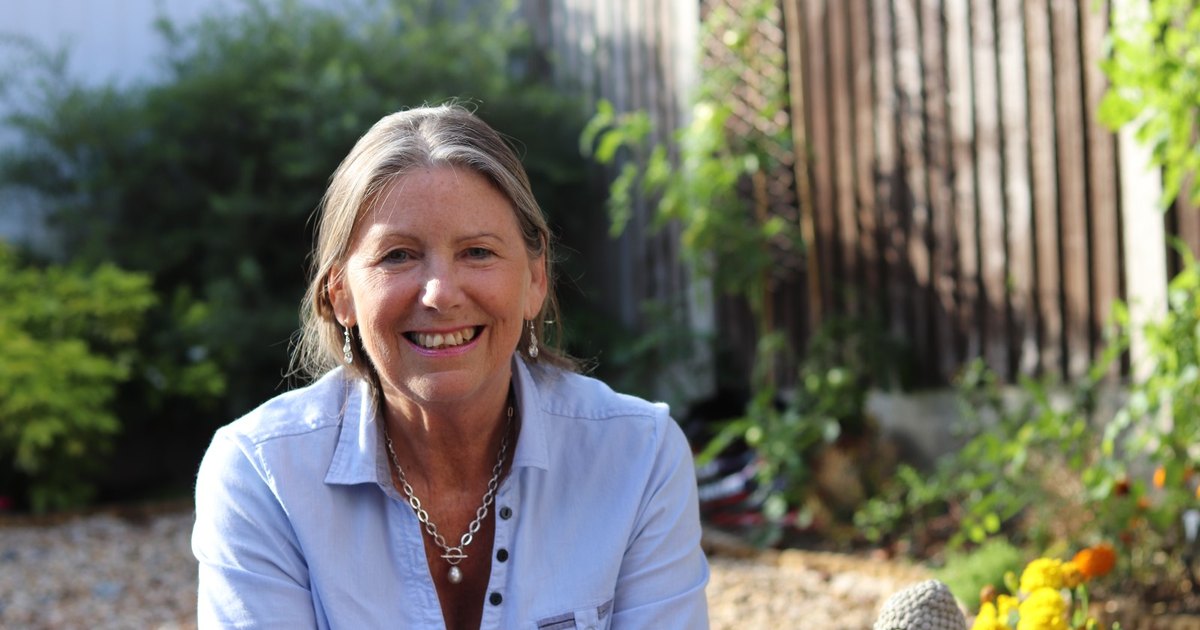
Starting a bed and breakfast is a dream for so many people: escaping the job, changing your lifestyle, being in charge of your own destiny. I understand the pull completely. I ran my own B&B in a vineyard village in Champagne for 17 years, and since 2014 I’ve helped owners around the world start and grow theirs.
Here’s the thing nobody tells you at the estate agent’s. It used to be enough to find a lovely property, spend a fortune on renovations, cook a great breakfast and wait for people to knock. Not any more. These steps, in this order, will save you a great deal of money, time and heartache.
Step 1: Decide what kind of business you want
Before anything else, be honest with yourself. Do you want a bit of extra income, taking guests when it suits you? Or a proper business that supports you and serves guests you genuinely enjoy?
There’s no judgement either way. I ran mine as a hobby for years and it never made more than around €10,000 a year. When I had to make it support our family, I ran it as a real business, and with four rooms it brought in €103,495 in a year. Same house, different decision. If it’s a proper business you want, keep reading.
Step 2: Start with you, not the property
This is the biggest mistake I see. People fall in love with a beautiful house in an idyllic spot and assume guests will simply come. If you have no idea who your B&B is for, you’ll end up competing on price with everyone else.
Instead, take a long, hard look at yourself: your passions, your knowledge, what you love to talk about. Then draw three circles:
- Your location: where you are, or want to be.
- Why people come to the area: wine, walking, history, the coast, events.
- You: your interests and what you could share with guests.
Where all three overlap is your sweet spot, your point of difference on value rather than price. If you love wine, look in a wine region. If you love the outdoors, find your place there. Read more in why it’s easier to start a B&B when it’s about you.
Step 3: Choose your location and property
Only now go property hunting. Check that people already visit the area for the things you love, and that there are online groups talking about them.
You’ll also choose between buying an existing B&B and starting from scratch. An established business gives you some income and guests from day one, which helps if you need cash quickly. But be careful: very few people sell when things are going brilliantly. Ask for occupancy rates and revenue for the past three years, and make sure the numbers add up for you. Even then, those guests had a relationship with the previous owners, so in many ways you’re starting again. My guide to finding the right B&B to buy goes deeper.
Step 4: Do your numbers before you commit
Your business plan doesn’t need to be complicated, but it does need to be honest. Start with your potential: rooms × average nightly rate × nights you’ll open. Then apply a realistic occupancy rate. My free B&B Income Calculator does this for you, and there’s a short video tutorial on the same page.
Next, cost out every stay. Variable costs come each time someone sleeps in your bed: cleaning, laundry, breakfast, tea and coffee, card fees and any booking-site commission. Fixed costs you pay regardless: your home loan, utilities, website, booking software. And include a payment to yourself, because nobody can work for nothing. This is where most people die of shock. I cover the basics in Opening a bed and breakfast business plan.
Step 5: Get crystal clear on your ideal guests
In Champagne, with more than 300 other B&Bs nearby, I made us the go-to B&B for international guests who wanted to discover the hidden gems of the region. I could open doors they couldn’t open themselves, such as visits to small family champagne producers, and they happily paid for that.
The more specific you are, the easier everything else becomes: your website, your marketing, your prices and your extras.
Step 6: Build a website that sells
Your website isn’t a brochure; it’s a sales tool. When your ideal guests land on it, they should know immediately that you’re the people to book with. Use images and words that speak to them, put a welcome video on the homepage, and let guests book and pay online while you sleep. Don’t clutter the homepage with terms and conditions.
Step 7: Build your list before you open
This one surprises people. Start gathering the names and email addresses of people who’d love what you offer before you even open, so you have a tribe ready on day one. Content is the currency of the internet: blog posts, videos, photos, whatever suits you. Connect with people online who share your guests’ interests. You’ll need to become a bit of an online marketer, and a mini celebrity for your guests.
Listing on Booking dot com or Airbnb at the very beginning is fine, but it isn’t a long-term strategy. They take between 15% and 30% of each booking, make you look like everyone else, and keep your guests’ details.
Step 8: Plan for help from day one
Almost every new owner says the same thing: “I’ll do the cleaning and laundry myself until we can afford help.” I said it too. That first stage, when everything is new and exciting, doesn’t last long, and exhaustion creeps in. If the business needs to support you, get help now. Start as you mean to go on. Your real job is getting bookings and looking after guests.
Step 9: Create extras your guests will love to buy
Think about what would make a stay with you truly special, and offer it once guests have booked. A friendly email before arrival can invite them to add a dinner, a tour or a celebration, along with tips for the area and clear directions. I always recommend making one of your extras about food and drink, because people are always hungry and thirsty!
Step 10: Open, delight, and ask for referrals
Give your guests the experience you promised, every time. Then ask for reviews and referrals intentionally. Don’t leave it to chance. Keep in touch with past guests so they come back, and keep sharing your knowledge online so new ones find you.
Your next step
Everything above is laid out in full in my book, How to Start, Run and Grow a Bed and Breakfast Business that You and Your Guests Love. It has its own AI assistant built in, so you can ask questions about your own plans and get answers straight from the book.
If you’re weighing up a property or a location right now, book a free 15-minute call with me. Sometimes one conversation saves a very expensive mistake.
Frequently asked questions
How much does it cost to start a bed and breakfast?
It depends entirely on the property, the area and how much renovation it needs, so I won’t give you a made-up average. Build your own budget: purchase or rent, renovation, furnishing, your website and booking system, and enough to cover your fixed costs and pay yourself while bookings build.
Can you start a B&B with no money?
Possibly. One route is renting a B&B from an owner who wants to retire but hasn’t found a buyer, paying the rent from the rooms you sell. Another is a private mortgage with the current owners, with lawyers to protect both sides.
Do I need hospitality experience to start a B&B?
No. My client Katia and her husband Jon had none when they left their corporate jobs and bought a run-down guest house in Scotland. She made just over £100,000 in her first season. What they did have was a clear plan, and they followed it step by step.
Should I buy an existing B&B or start from scratch?
An existing B&B gives you income sooner, but it probably isn’t running at its full potential, and its guests belonged to the previous owners. Starting from scratch lets you build around your ideal guests from day one. Either way, do the self-inquiry in Step 2 first.